
GARRY HOLLOWAY’S DIAMOND CUT RESEARCH
The beauty
is in the cut.
Two diamonds can share the same grading report and look remarkably different. Discover how proportions, light and contrast make the difference.
An independent way of looking. A lifetime of asking why.
LOOK BEYOND THE NUMBERS
The same grade.
A different diamond.
A report describes a diamond’s proportions and characteristics. Looking at the diamond adds something else: the pattern of brightness, the contrast between its facets and the way it responds to movement.
This library follows the questions behind Garry Holloway’s work. Why do some combinations of angles work better together? What makes a diamond look bright? And what can a scope reveal that a set of numbers cannot?
Read the introduction ↗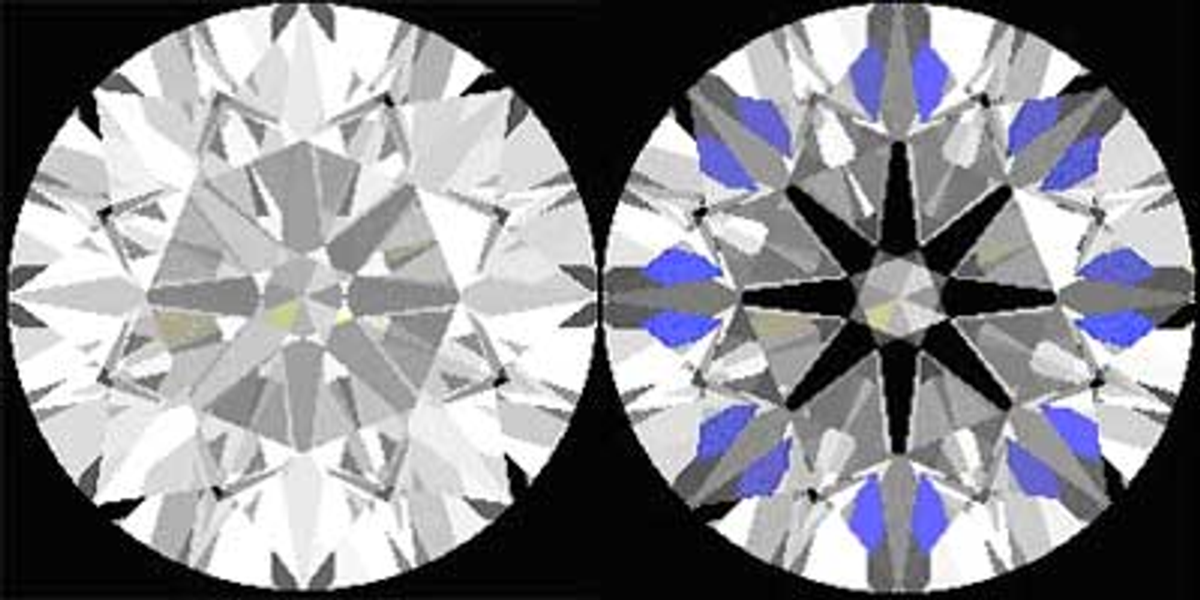
Two views of one virtual diamond from Garry’s original research. What surrounds the diamond changes what the observer sees.
Explore the study ↗01 / UNDERSTANDING THE LIGHT
Four qualities.
One first impression.
A diamond’s appearance is the combined effect of the light it returns, the colours it reveals, the way it sparkles and the size it appears to be.
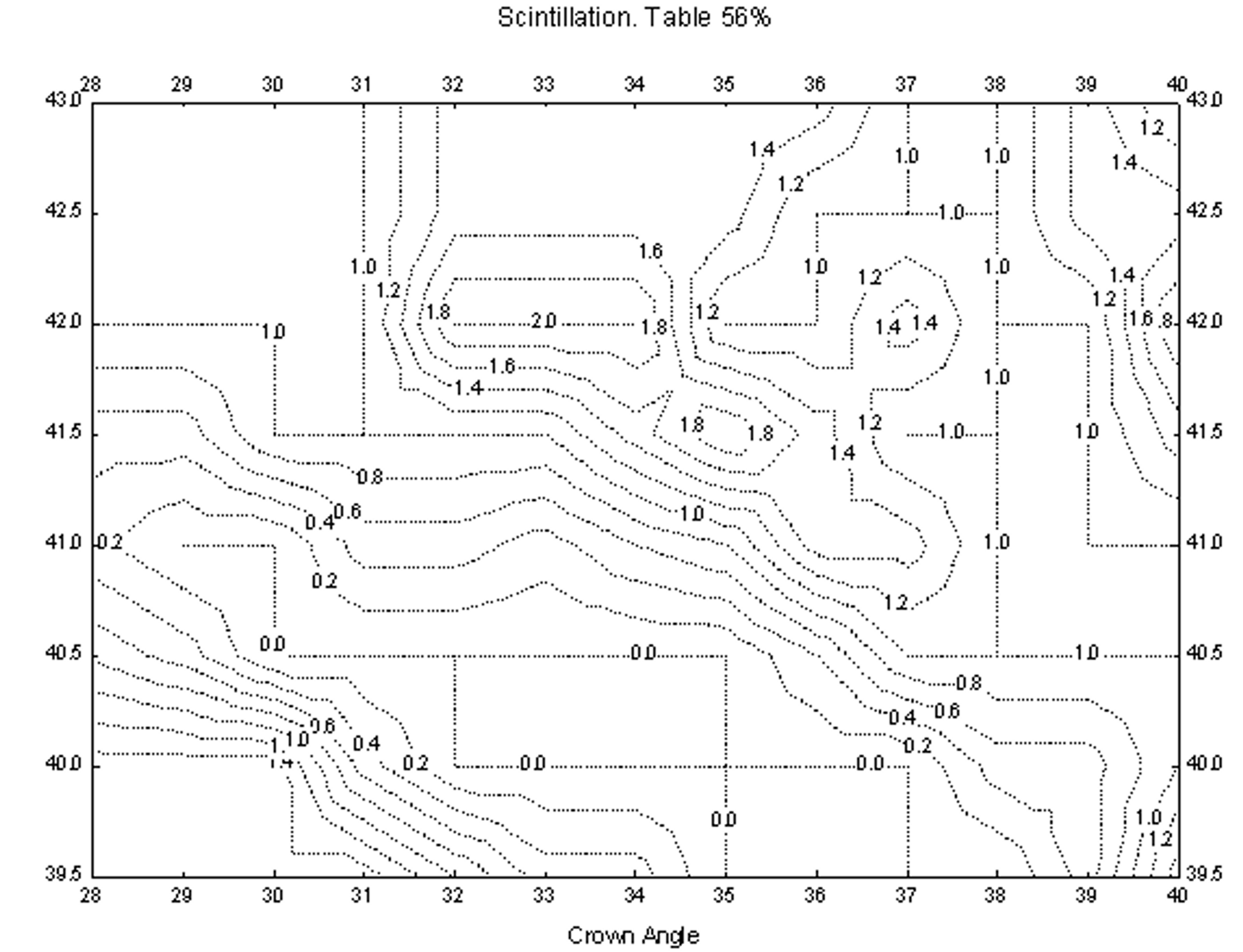
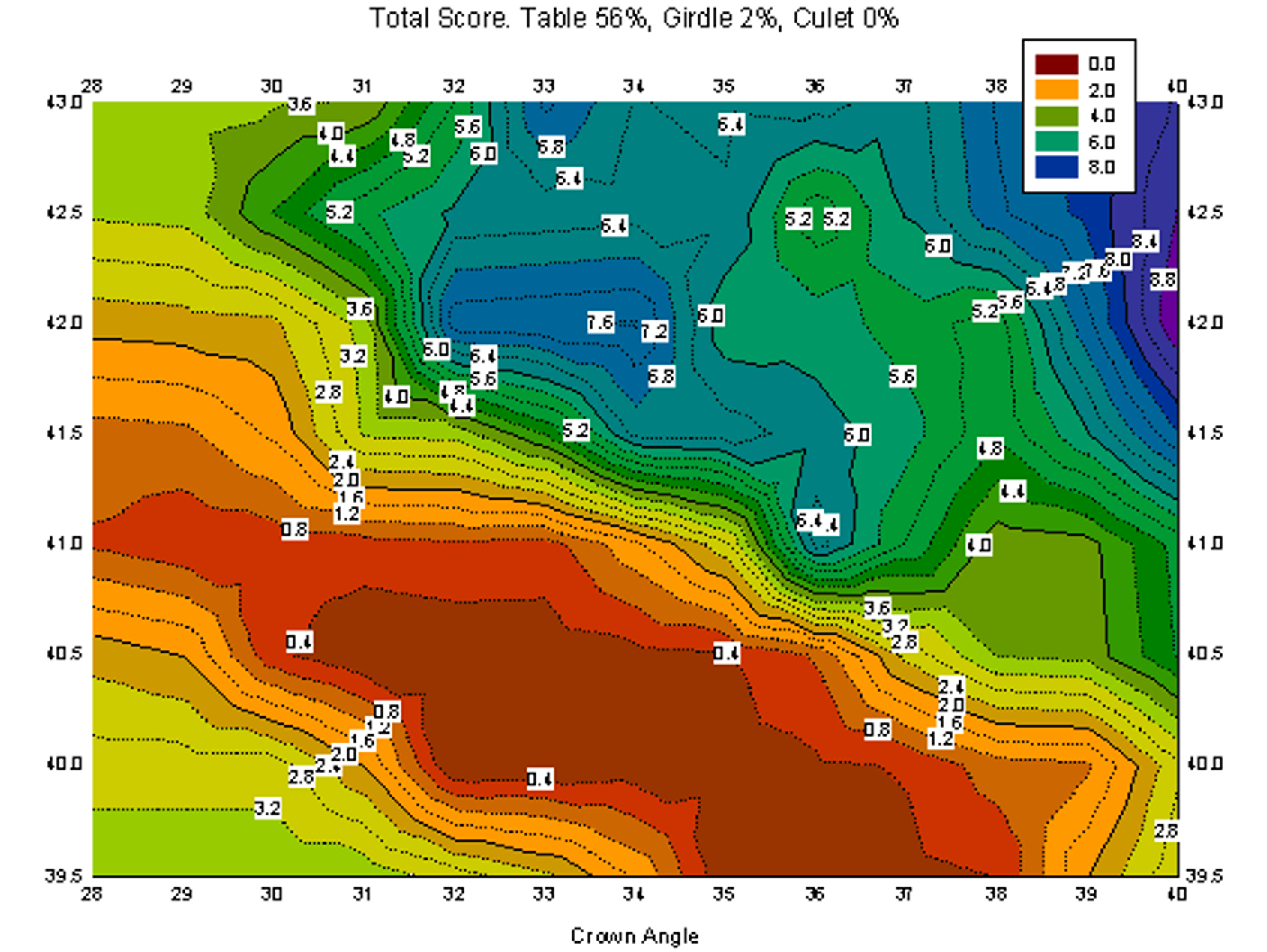
02 / A DIFFERENT PERSPECTIVE
From the numbers
to the view.
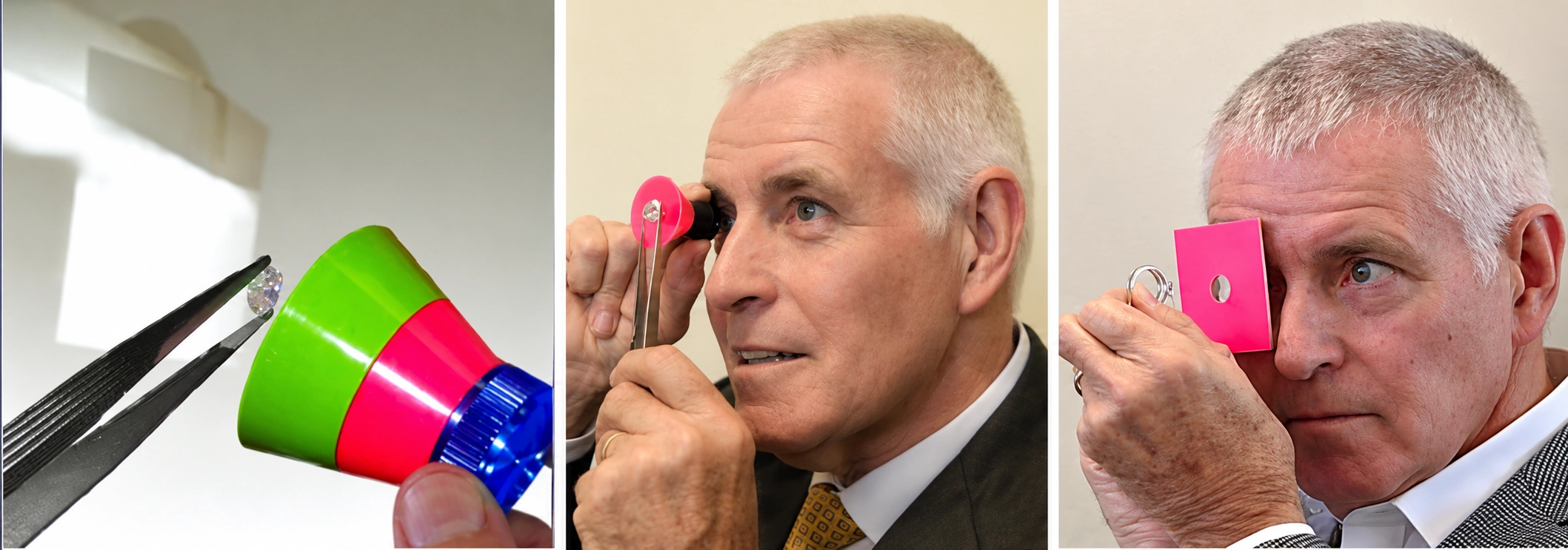
Garry’s research connects diamond-cut science with practical ways of looking at a stone. Ideal-Scope reveals its light pattern. HCA helps narrow a search using round brilliant proportions.
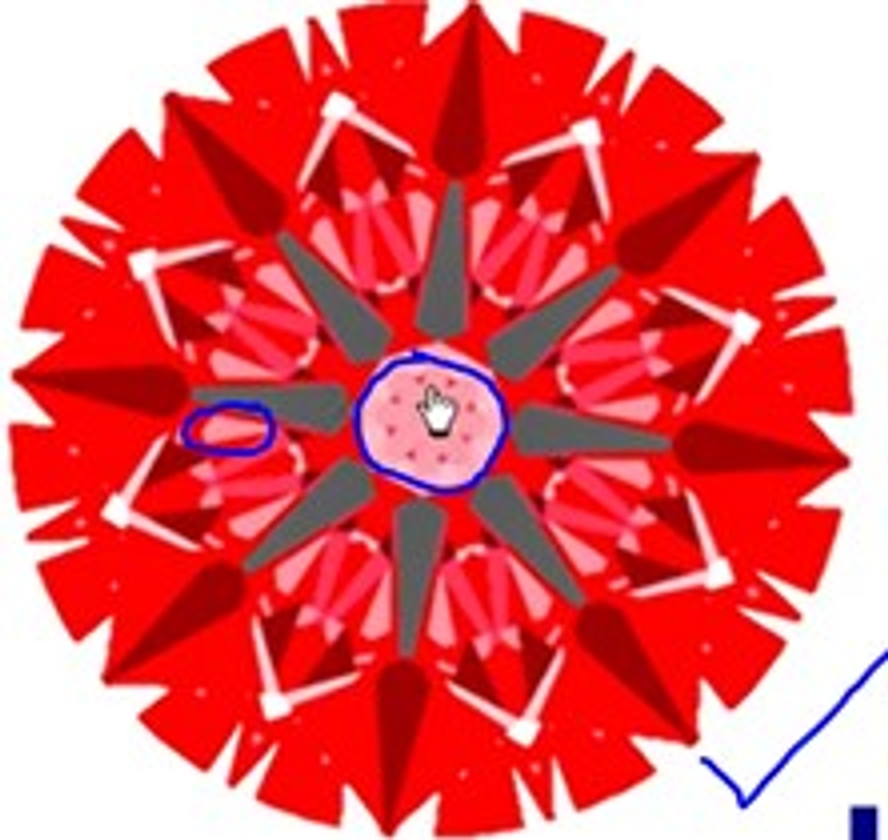
READING THE PATTERN
Light made visible.
An Ideal-Scope image makes the pattern of brightness, shadow and leakage easier to see. The position of the scope and the strength of the backlight both matter.
Read the practical guide ↗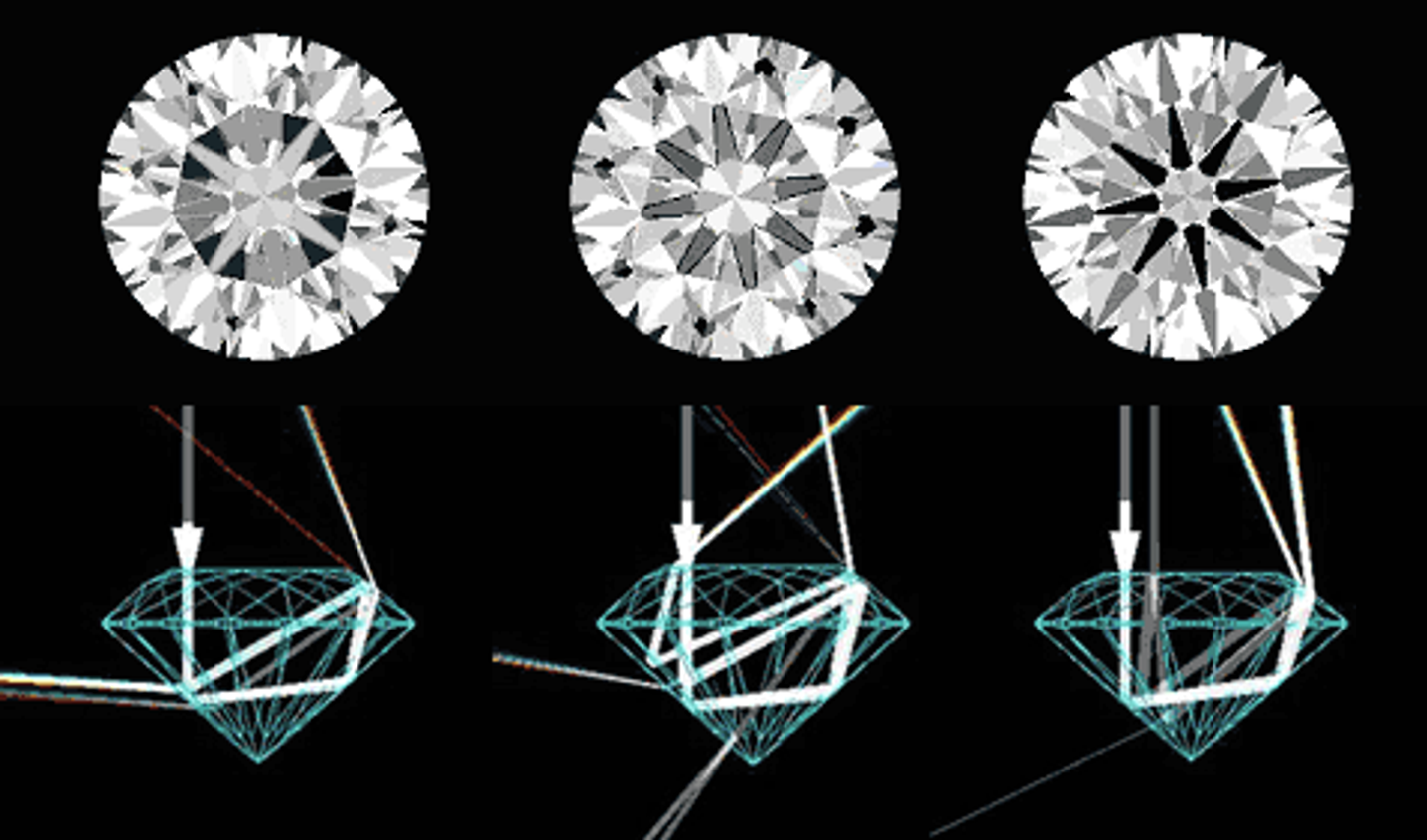
Original illustrations of how light paths change with a diamond’s proportions.
03 / UNDERSTANDING THE PROPORTIONS
Small angles.
A visible difference.
The parts of a diamond work together. Looking at one proportion in isolation can miss the relationship between its crown, pavilion and table.
- The crown
- The upper portion of the diamond, above its girdle.
- The pavilion
- The lower portion, below the girdle. Its angle is central to the path of light through the stone.
- The table
- The large facet on top, whose size is part of the wider combination of proportions.
03 / THE ORIGINAL RESEARCH
Good questions.
Lasting ideas.
Explore Garry’s original research into round brilliant diamonds, from the relationships between crown and pavilion to the limitations of cut grading.
View All 29 chapters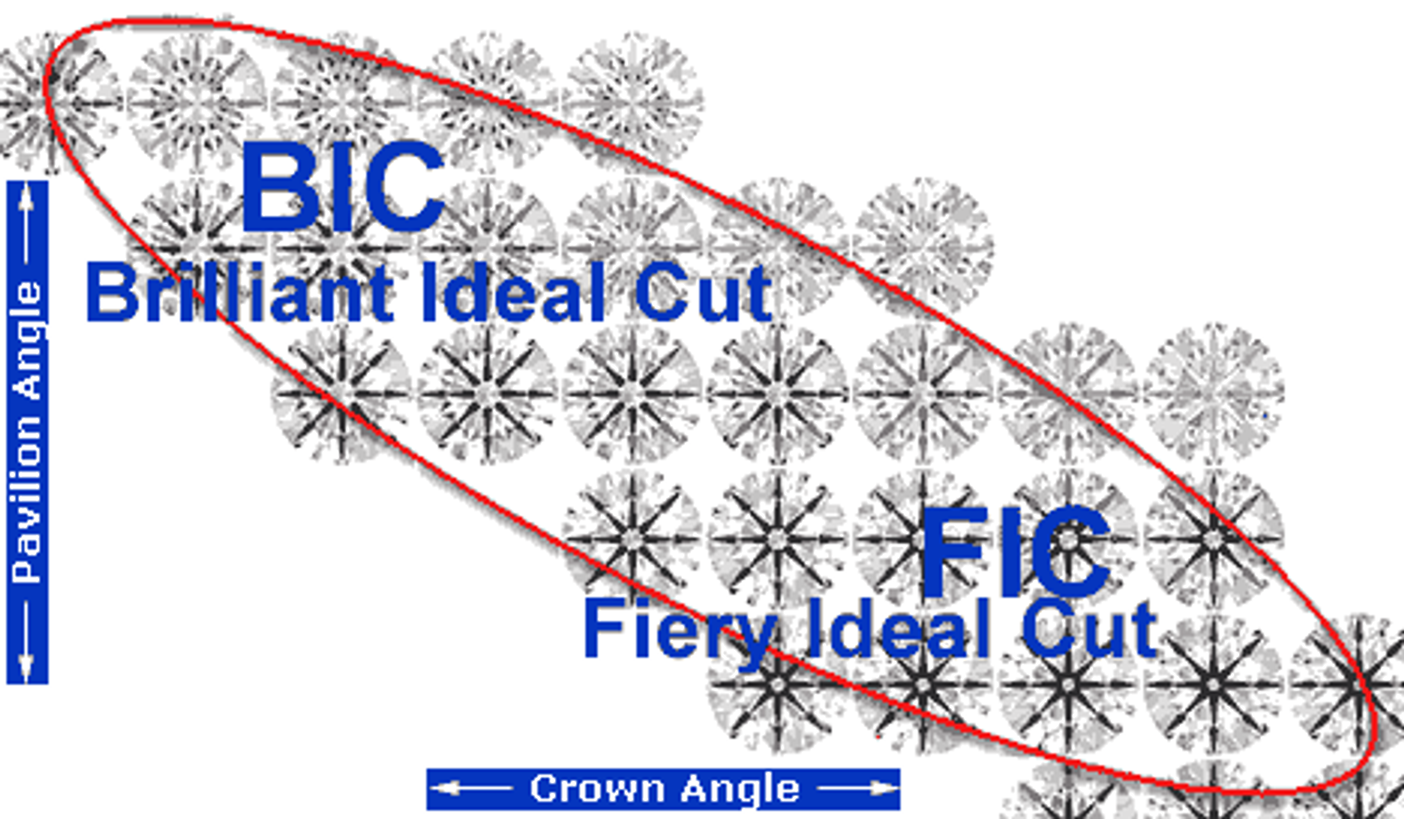
Introduction
Why cut matters to the appearance and desirability of a round brilliant diamond.
Open chapter ↗Method
The method used in the original HCA research.
Open chapter ↗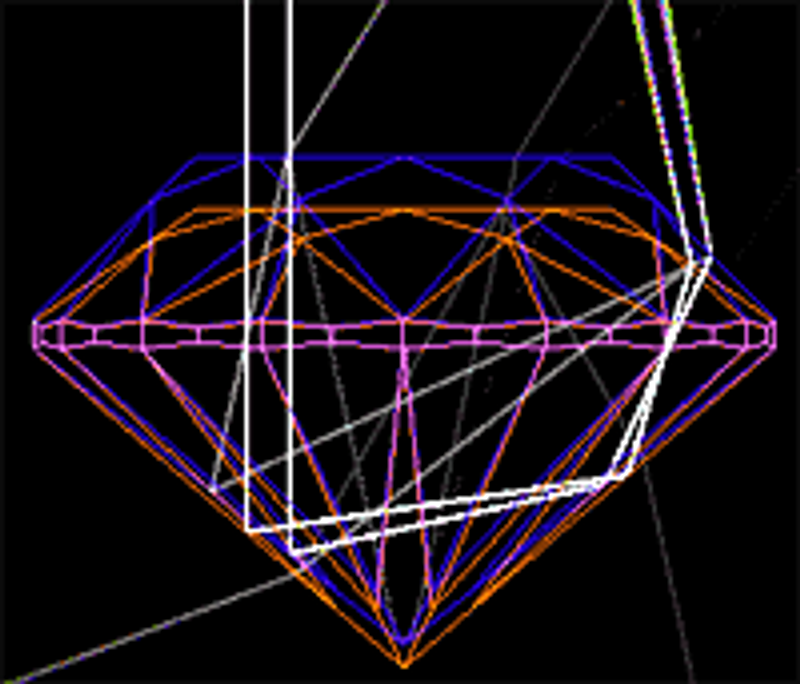
Table size
Table 3. Adjustments made for table size. Arrows (<- />) indicate penalties continue below 50% and above 65% table sizes. Table size: Too Small Optimum.
Open chapter ↗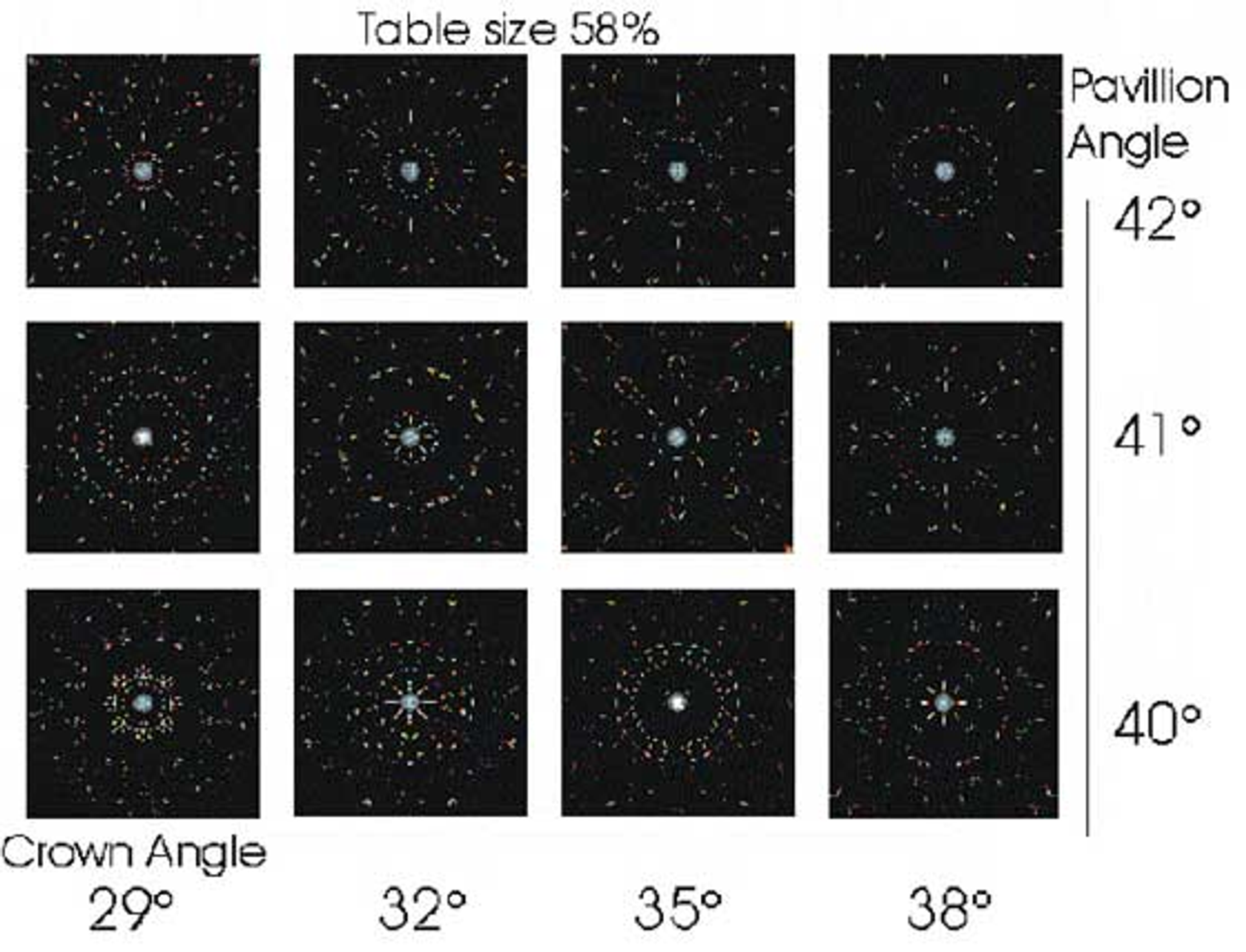
Fire or dispersion
Exploring the coloured flashes produced as a diamond disperses light.
Open chapter ↗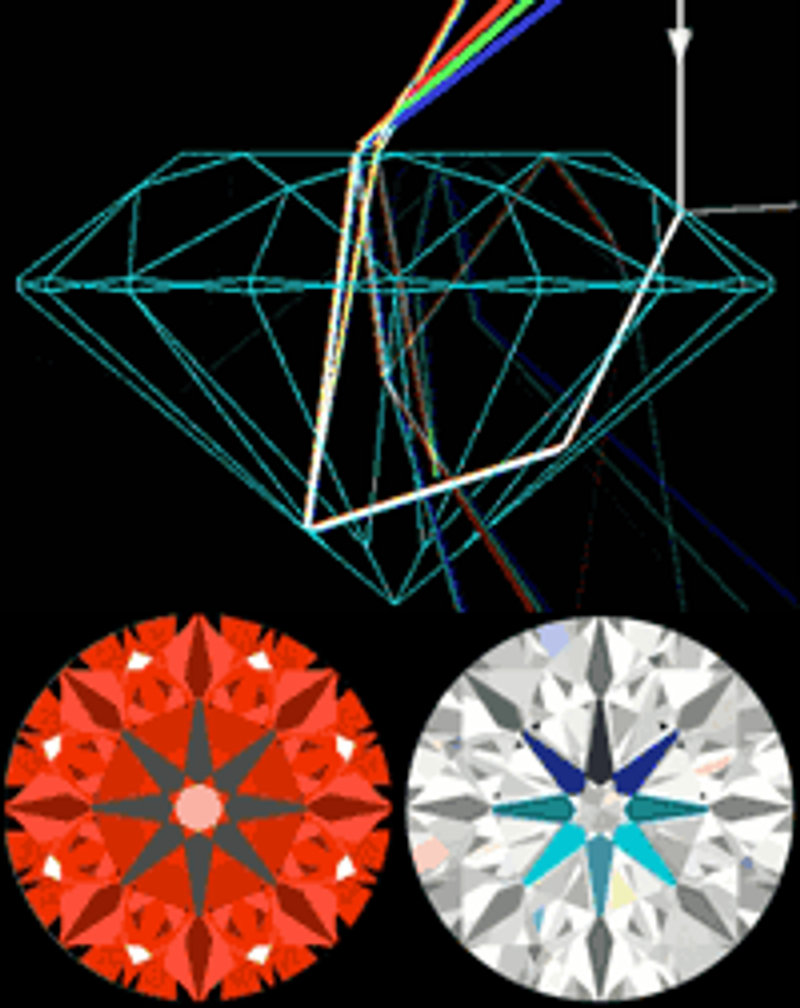
BIC and FIC
The cut adviser system recognizes three distinct types of diamonds with optimum beauty. To qualify as an HCA ‘Ideal Cut’ a diamond must rate as excellent.
Open chapter ↗
Holloway Cut Adviser
How HCA uses diamond proportions to help narrow the search for round brilliant diamonds.
Open chapter ↗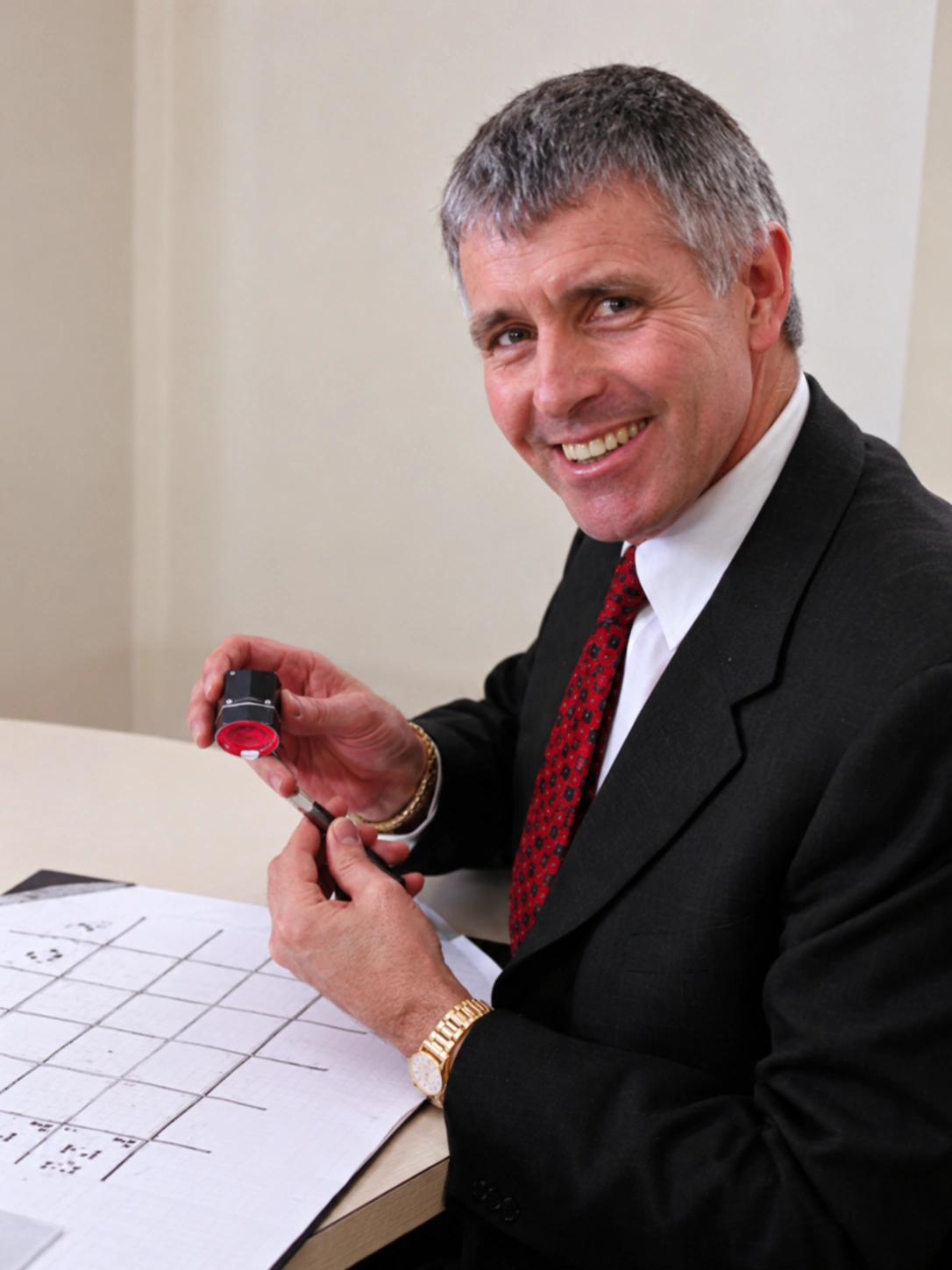
THE PERSON BEHIND THE QUESTIONS
Garry Holloway
Gemologist, jeweller and diamond-cut researcher. Garry’s interest in the way diamonds handle light led to the Holloway Cut Adviser and the portable Ideal-Scope.
Discover Garry’s storyA FEW GOOD QUESTIONS
Start with
what matters.
Is an excellent cut grade the whole story?
A grade is a starting point. The research explores differences between sets of proportions, the effect of viewing conditions and the importance of looking at the diamond itself. Read about the limits of cut grading.
Does HCA replace looking at the diamond?
HCA helps narrow a search for round diamonds using proportions. It does not use all of the information that affects a stone’s appearance. Understand HCA’s role.
Where should I start with Ideal-Scope?
Start with the practical instructions for positioning the scope and lighting the diamond. Open the official using guide.
What should I read first?
Begin with the introduction, then explore brilliance, fire, scintillation and spread. Start reading.